

Owning a classic race car is often seen as a dream come true for automotive enthusiasts. However, the reality of car ownership extends beyond the initial purchase price. The costs involved in maintaining such a vehicle can be significant, impacting both your finances and your passion for racing.
Classic cars are not only prized for their unique styling and engineering but also require a deeper financial commitment. From restoration projects to routine maintenance, the expenses associated with these vehicles can add up quickly. Understanding these costs is essential for anyone considering the ownership of a classic race car.
In addition to conventional upkeep, classic race cars may necessitate specialized parts and services that can further inflate ownership costs. Owners must also account for insurance premiums, storage solutions, and potential upgrades, all of which contribute to the overall financial responsibility that comes with classic car ownership.
Initial Purchase Price Breakdown for Classic Race Cars
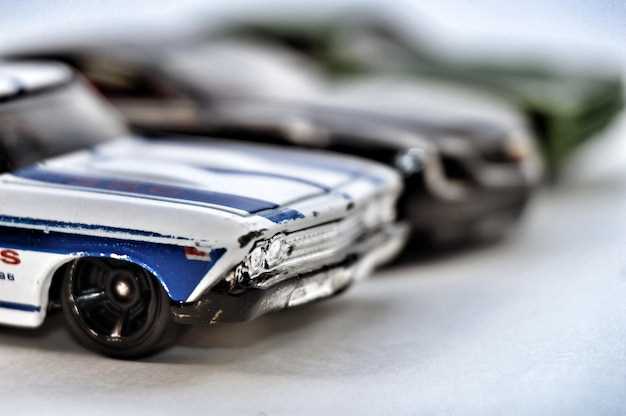
When considering the ownership of a classic race car, understanding the initial purchase price is crucial. The cost of acquiring such vehicles can vary significantly based on several factors, including the model, condition, and historical significance of the car.
First and foremost, the make and model of the classic race car play a vital role in determining its initial price. Renowned brands with a storied racing history, such as Ferrari or Porsche, will typically command higher costs compared to lesser-known manufacturers. This is often due to both the desirability and the limited production numbers of iconic models.
The condition of the car is another pivotal aspect that influences its purchase price. A well-preserved, fully restored classic race car will cost considerably more than one that requires extensive work or is in a state of disrepair. Buyers should factor in potential restoration costs when evaluating their budget, as these expenses can quickly add up.
Documentation and provenance also affect the initial purchase cost. Cars with a verified racing history, complete with original paperwork, tend to fetch premium prices. Collectors value authenticity and are willing to pay extra for vehicles that come with credible backgrounds, enhancing their investment appeal.
Additionally, the rarity of a particular model significantly impacts its cost. Limited edition classic race cars or those produced in smaller numbers are often more desirable, driving prices up in the marketplace. As demand increases for these unique vehicles, ownership can become an expensive endeavor.
Lastly, market trends should not be overlooked when evaluating the initial purchase price. The classic car market can be volatile, with prices fluctuating based on buyer interest, economic conditions, and even global events. A thorough understanding of current trends can assist potential owners in making a wise financial decision when acquiring a classic race car.
Ongoing Maintenance Expenses: What to Expect
Owning a classic car often comes with a unique set of ongoing maintenance expenses that differ significantly from modern vehicles. Understanding these costs is crucial for anyone considering the ownership of a classic race car.
Firstly, routine maintenance is essential. This includes regular oil changes, coolant replacements, and brake inspections, which can be more frequent depending on the car’s age and usage. Expect to budget for these services, as classic cars may require specialized fluids or components that can be pricier than those for contemporary models.
Parts replacement is another critical area for ongoing costs. Finding original or quality reproduction parts for classic cars can be challenging and expensive. Components such as fuel pumps, ignition parts, and tires may need to be replaced more often in older vehicles, further increasing maintenance expenses. Keep in mind that sourcing these parts might require extra time and effort.
Furthermore, specialized repair services are often necessary. Many classic race cars require mechanics who are familiar with vintage models and their specific needs. This expertise comes at a premium and can add to your overall maintenance budget. Be prepared to invest in services that ensure your car remains in peak condition.
Additionally, restoration efforts should not be overlooked. Over time, older vehicles may need updates to their bodywork, interiors, or engines. Restoration can be a significant expense, especially if you choose to maintain authenticity in the parts used.
Insurance costs for classic cars can also be higher than for newer models, reflecting their value and the potential cost of repairs or restoration. Ensure you get a comprehensive quote that includes various coverage options tailored to classic vehicles.
Lastly, storage and preservation expenses must be considered. Protecting a classic race car from the elements may require climate-controlled storage or specific maintenance routines to prevent deterioration, which can add to your ongoing costs.
In conclusion, ownership of a classic car entails various ongoing maintenance expenses. By anticipating these costs, you can better prepare for the unique challenges that come with maintaining a classic race car, ensuring that your investment remains both enjoyable and valuable.
Insurance Costs and Considerations for Classic Race Car Owners
Owning a classic race car comes with unique insurance challenges and costs that every owner must navigate carefully. The value of these vehicles often appreciates over time, making adequate coverage crucial. Classic race cars can be significantly more expensive to insure than standard vehicles due to their specialized nature and potential for high repair costs.
One of the primary considerations when insuring a classic race car is the policy type. Standard auto insurance may not suffice; instead, owners should seek out specialty insurers that focus on classic vehicles. These policies often have unique clauses, such as agreed value coverage, which ensures that in the event of a total loss, the owner receives the predetermined value of the car rather than its depreciated worth.
Additionally, the frequency of use and the storage conditions of the classic race car significantly impact insurance costs. Cars that are driven less often, particularly those stored in secure locations, typically enjoy lower premiums. Conversely, cars that participate in frequent racing events or are used in more aggressive driving conditions may incur higher costs due to the increased risk of accidents.
It’s also essential for classic race car owners to maintain detailed records of the car’s value, modifications, and any appraisals. This documentation is vital when determining coverage limits and ensuring that the car is adequately insured against theft, damage, or liability claims. Owners should consult with their insurers to clarify how modifications might affect coverage and premiums.
In conclusion, insurance costs for classic race car owners can vary widely based on several factors, including the policy type, usage, and vehicle value. Understanding these considerations and working with a specialized insurer will help ensure that classic race car enthusiasts can enjoy their vehicles with peace of mind.


